Marmaid: A Display Font That Adds Elegance to Your Brand Materials
When you run a small business, every detail matters. Your logo, your packaging, your social media posts, your website—they all work together to tell customers who you are and what you stand for. One of the easiest ways to elevate that story is with a carefully chosen typeface. That’s where Marmaid comes in. This polished display font brings a sense of enchantment and sophistication to any project, making it a natural fit for business owners who want their brand to feel both refined and approachable.
What Makes Marmaid Different
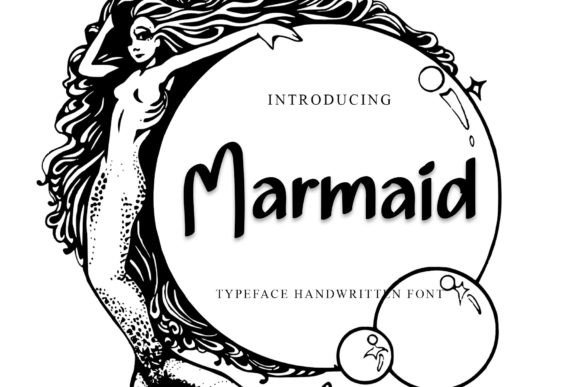
Marmaid is not your everyday workhorse font. It’s a decorative typeface with a graceful, hand-drawn quality that feels simultaneously elegant and warm. The letterforms are smooth and flowing, with subtle curves and a gentle rhythm that catches the eye without shouting for attention. This makes Marmaid ideal for situations where you want to create a moment of beauty—on a wedding invitation, a greeting card, a product label, or a boutique logo. It carries a romantic, slightly whimsical personality that works well for brands centered around celebration, self-care, artistry, or personal connection.
Unlike many display fonts that feel stiff or overly ornate, Marmaid strikes a balance between polish and personality. It’s versatile enough to anchor a brand identity, yet distinctive enough to stand out in a crowded market. Whether you’re designing a menu for a small café or creating Instagram graphics for a handmade candle shop, this font adds a layer of visual interest that helps your materials feel intentional and curated.
Where Marmaid Shines in Your Business
The real power of a display font like Marmaid lies in how you use it across your customer touchpoints. Here are some of the most practical ways small business owners can put it to work.
Logos and Brand Marks
Your logo is often the first thing a potential customer sees. Marmaid works beautifully as a wordmark or as the primary text in a logo lockup. For a bakery called “Bloom & Butter,” for example, the word “Bloom” set in Marmaid immediately communicates a soft, artisanal feel. Paired with a clean sans serif for the tagline, the logo feels balanced and memorable. The same approach works for a beauty brand, a coaching practice, or a boutique selling handmade goods. Because Marmaid has a strong visual presence, it can carry a brand name on its own, especially when applied to product packaging, business cards, or website headers.
Product Labels and Packaging
In the world of handmade products, packaging is your silent salesperson. A candle label, a soap wrapper, or a tea tin can feel generic with a standard font. With Marmaid, you can create a sense of occasion. Imagine a small batch of lavender candles with a simple white label featuring the scent name in Marmaid. The font instantly communicates care and quality. It also works well for limited edition products, seasonal offerings, or gift sets where you want the packaging to feel special. For small batch food products like jams, honey, or baked goods, Marmaid adds a rustic elegance that feels authentic and handmade.
Business Cards and Stationery
Business cards are still a vital networking tool, and a well-designed card can leave a lasting impression. Using Marmaid for your name or your business name on a card signals that you value design and detail. Pair it with a clean, simple layout so the font remains the focal point. The same goes for thank-you cards, note cards, and invoice headers. When a customer receives a handwritten thank-you note with their name written in Marmaid, it feels personal and thoughtful—a small gesture that builds loyalty.
Menus, Flyers, and Signage
For café owners, restaurant operators, and event planners, Marmaid can be used effectively on menus, flyers, and signage. A café menu with section headers like “Coffee,” “Pastries,” and “Specials” set in Marmaid immediately feels more inviting. The font’s readability at larger sizes makes it suitable for chalkboard signs, window decals, and promotional posters. Just keep in mind that because it’s a display font, it works best for headlines and short phrases rather than long paragraphs of body text.
Social Media and Digital Content
Social media is where many small businesses build their audience. Marmaid can be used in Instagram posts, Pinterest graphics, and Facebook covers to create a consistent visual identity. Use it for quotes, announcements, product highlights, and sale banners. The font’s elegance translates well to digital screens, especially when paired with a neutral background and plenty of white space. For online sellers, using Marmaid in product listings—like in the title image or a features graphic—helps your shop stand out in a sea of similar items.
Making Your Brand Look Professional and Consistent
One of the biggest challenges small business owners face is maintaining a consistent look across all their materials. Using a single display font like Marmaid as a cornerstone of your brand helps create that consistency. When a customer sees the same font on your website, your packaging, and your social media, they begin to associate that visual style with your business. Over time, that recognition builds trust. A consistent brand looks more professional, more established, and more reliable—even if you’re a solo founder working from your kitchen table.
That said, consistency doesn’t mean using Marmaid everywhere. The key is to use it strategically. Reserve Marmaid for headlines, logos, and accent elements where its beauty can shine. For body text, product descriptions, and longer content, pair it with a complementary typeface that is more readable at small sizes. This approach gives your brand a clear hierarchy and makes your materials easier to navigate.
Practical Advice on Readability and Testing
Before you commit to Marmaid across your entire brand, take the time to test it in real-world scenarios. Print a sample label at the actual size you plan to use. Check how the font reads on a mobile screen. Does it hold up at small sizes? If you plan to use it on a product label that is only two inches wide, the font may need to be used sparingly or at a larger size to remain legible. For small text, consider using a simpler sans serif or serif font instead.
Also test how Marmaid looks in different colors and on different backgrounds. Lighter weights and softer colors often work best for a delicate, elegant feel, while darker shades can make the font feel more dramatic. A white or cream background with a deep navy or blush pink Marmaid headline is a classic combination that works for many brands.
Simple Font Pairing Ideas
Pairing a decorative font like Marmaid with a clean, neutral typeface is one of the easiest ways to create a professional brand. Here are a few pairing suggestions that work well in practice.
- Marmaid with a clean sans serif. A simple sans serif like Montserrat, Lato, or Open Sans provides a modern counterbalance to Marmaid’s elegance. Use the sans serif for body text, product descriptions, and contact information, while reserving Marmaid for headlines and your logo.
- Marmaid with a readable serif. If you want a more traditional or literary feel, pair Marmaid with a classic serif like Playfair Display, Merriweather, or Libre Baskerville. The serif adds warmth and structure, while Marmaid provides the decorative flourish.
- Marmaid on its own. For very short pieces of text—like a single word on a product label or a greeting card cover—Marmaid can stand alone without a supporting font. This works well when the design is minimal and the font is the star.
When you pair fonts, aim for contrast. A decorative font paired with a very plain font creates visual interest and helps each element do its job. Avoid pairing two ornate fonts together, as they can compete and make your design feel cluttered.
Licensing: What You Need to Know
Before you use Marmaid on any commercial materials, check the font’s licensing terms. Many display fonts, especially premium ones, require a separate commercial license for use on products, packaging, merchandise, or client work. If you plan to sell items that feature the font—like candles, soaps, stationery, or digital downloads—you need to ensure your license covers that use. The same applies if you are designing logos or materials for paying clients. Always read the license agreement carefully, and when in doubt, contact the font creator or distributor. Investing in the proper license protects your business and ensures you can use the font confidently for years to come.
Real-World Examples of Marmaid in Action
To give you a clearer picture of how Marmaid can work for your business, here are a few realistic scenarios.
A handmade candle business uses Marmaid for the scent names on its labels. The font sits above a brief description in a clean sans serif, and the overall effect is sophisticated and inviting. Customers immediately perceive the candles as a premium product, even though the brand is small and new.
A wedding planner uses Marmaid for their logo, their website header, and their client proposal templates. The font’s romantic feel aligns perfectly with the emotional nature of weddings, and the planner’s materials look cohesive and polished. Brides feel confident that the planner has an eye for detail.
A boutique coffee roaster uses Marmaid for the bag labels of their single-origin beans. The font adds a touch of artisanal charm, and the bags stand out on the shelf next to more generic packaging. Customers are drawn to the product because it looks like it was made with care.
A wellness coach uses Marmaid for their Instagram quote graphics and their free downloadable guide covers. The font helps the coach’s content feel aspirational and calming, which resonates with their audience of people seeking balance and self-improvement.
Before You Commit to a Full Brand Rollout
If you are considering Marmaid for your brand, start small. Use it on one or two materials first—like a product label or a social media template—and see how it feels. Ask a few trusted customers or fellow business owners for their honest feedback. Does the font match the personality you want to project? Is it readable at the sizes you need? Does it work well with your existing brand colors and imagery? Testing in real-world conditions will help you decide whether Marmaid is the right fit for your business.
Once you are confident, you can expand its use to your website, packaging, and marketing materials. Over time, Marmaid can become a recognizable part of your brand identity, helping you build a business that looks professional, feels consistent, and earns the trust of your customers.